
CRANE CHEMPHARMA & ENERGY · DIAPHRAGM VALVES
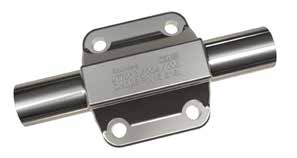
Saunders HC4 Aseptic Diaphragm Valves – Crane ChemPharma – Hygienic Process Valves
Saunders HC4 aseptic diaphragm valves by Crane for biotech, pharma & food processing. FDA, ASME BPE compliant. Available at PC Engineering India.
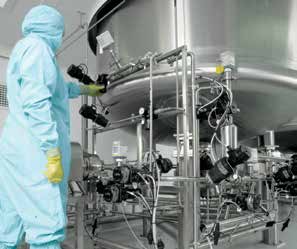
Overview
The Saunders HC4 Aseptic Diaphragm Valve from Crane ChemPharma is engineered for critical hygienic and sterile process applications in pharmaceutical, biotech, and food & beverage industries. The weir-type diaphragm design provides cavity-free, self-draining flow paths essential for maintaining sterility and facilitating CIP/SIP processes.
Saunders invented the diaphragm valve concept and continues to lead innovation in aseptic valve technology. The HC4 series features forged 316L stainless steel bodies with controlled sulfur content per ASME BPE standards, ensuring optimal surface integrity for high-purity applications. These valves are designed for full compliance with global regulatory standards including FDA, USP Class VI, 3A, and ASME BPE.
The modular actuator system and compact pneumatic design allow for flexible installation configurations, making the Saunders HC4 suitable for standard 2-way, tandem, and custom block valve assemblies across various process orientations.
Key Features
- Forged 316L/1.4435 stainless steel bodies with controlled sulfur (0.005–0.017%) per ASME BPE
- Cavity-free, self-draining weir-type design for aseptic applications
- Low ferrite content (<0.5% max) to reduce oxide migration in high-purity water systems
- Full traceability to EN 10204 3.1 with serialized body marking per ASME BPE DT 11-1
- Available with weld ends and hygienic tri-clamp connections
- PTFE and elastomer diaphragms compliant with FDA CFR 177.1550 and 177.2600
- Compact modular pneumatic actuators (S360 series)
- Multiple surface finish options including electropolished ASME BPE compliant finishes
Specifications
| Parameter | Value |
|---|---|
| Body Material | 316L Stainless Steel (ASTM A-182 / DIN 1.4435) |
| Size Range (Forged) | DN8 – DN80 (1/4" – 3") |
| Size Range (Machined) | DN100 – DN150 (4" – 6") |
| Size Range (Cast) | DN8 – DN100 (1/4" – 4") |
| End Connections | Butt Weld, Tri-Clamp, OD Tube, DIN, ISO, SMS, Schedule Pipe |
| Surface Finish (Ra) | 10–30 µin (0.25–0.8 µm), Mechanical or Electropolished |
| ASME BPE Surface Codes | SF1 to SF6 |
| Compliance | FDA, USP Class VI, 3A, ASME BPE, ISO 9001, CE/PED 97/23/EC |
| Diaphragm Materials | PTFE, Modified PTFE, Elastomers (ADCF available) |
| Ferrite Content | <0.5% max |
Applications
Saunders HC4 aseptic diaphragm valves are specified for critical process applications requiring sterility, cleanability, and regulatory compliance:
- Pharmaceutical & Biotech: API manufacturing, sterile filling lines, buffer preparation, WFI systems - Food & Beverage: Dairy processing, brewing, beverage production, fermentation - Personal Care & Cosmetics: Cream and lotion manufacturing, emulsion processes - Specialty Chemicals: High-purity chemical processing, biofuels, silicon manufacturing
These valves are ideal for CIP/SIP systems, sampling ports, drain valves, and any application where zero dead-leg and complete drainability are required.
Product Images
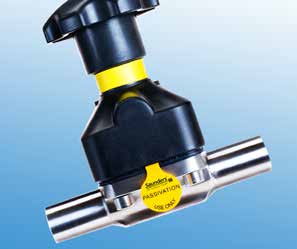
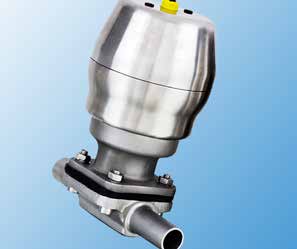
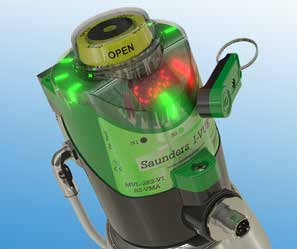
Frequently Asked Questions
Get a Quote
Contact PC Engineering for pricing, availability, and technical support for Saunders HC4 Aseptic Diaphragm Valves. Call us or fill in our inquiry form — our engineers will respond within 24 hours.
More from Crane ChemPharma & Energy
- Crane Soft Seated Ball Valve – 2-Piece & 3-Piece, Full Bore, ANSI Class 150/600
- DEPA Air Operated Diaphragm Pumps (AODD) – Crane ChemPharma
- Krombach Large Bore Double Offset and Triple Offset Butterfly Valves DN700-DN3400
- Saunders Aseptic Diaphragm Valves – FDA Conforming Biopharmaceutical Valves
- Saunders Bio-Block Manual Diaphragm Valves – Aseptic Weir Valves for Biopharm Applications
- Saunders Industrial Diaphragm Valves – Weir & Straight Through Designs
Related Diaphragm Valves
Brand
Find the losses before you invest in new equipment.
Steam and pump system walkthroughs that identify inefficiencies, energy losses and improvement priorities before any new product is specified.